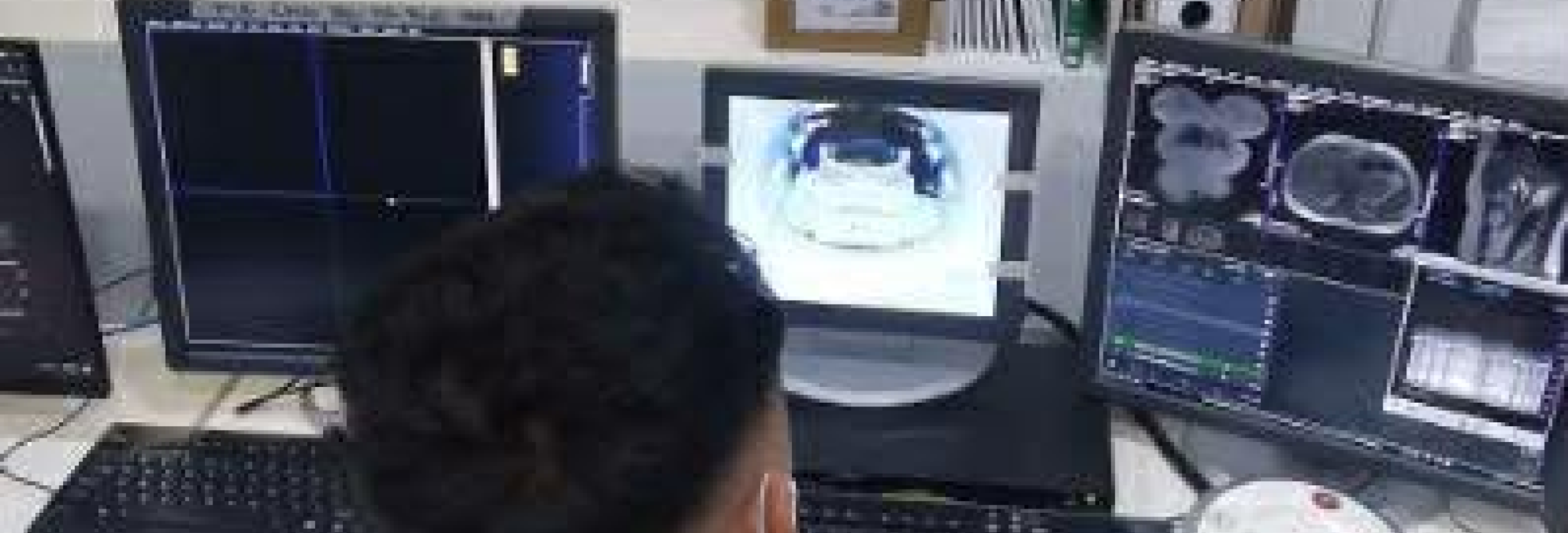
CT-SCAN AND MRI
a non-invasive imaging test that uses sound waves to create real-time images of internal organs and tissues for diagnostic evaluation.
a non-invasive imaging test that uses sound waves to create real-time images of internal organs and tissues for diagnostic evaluation.
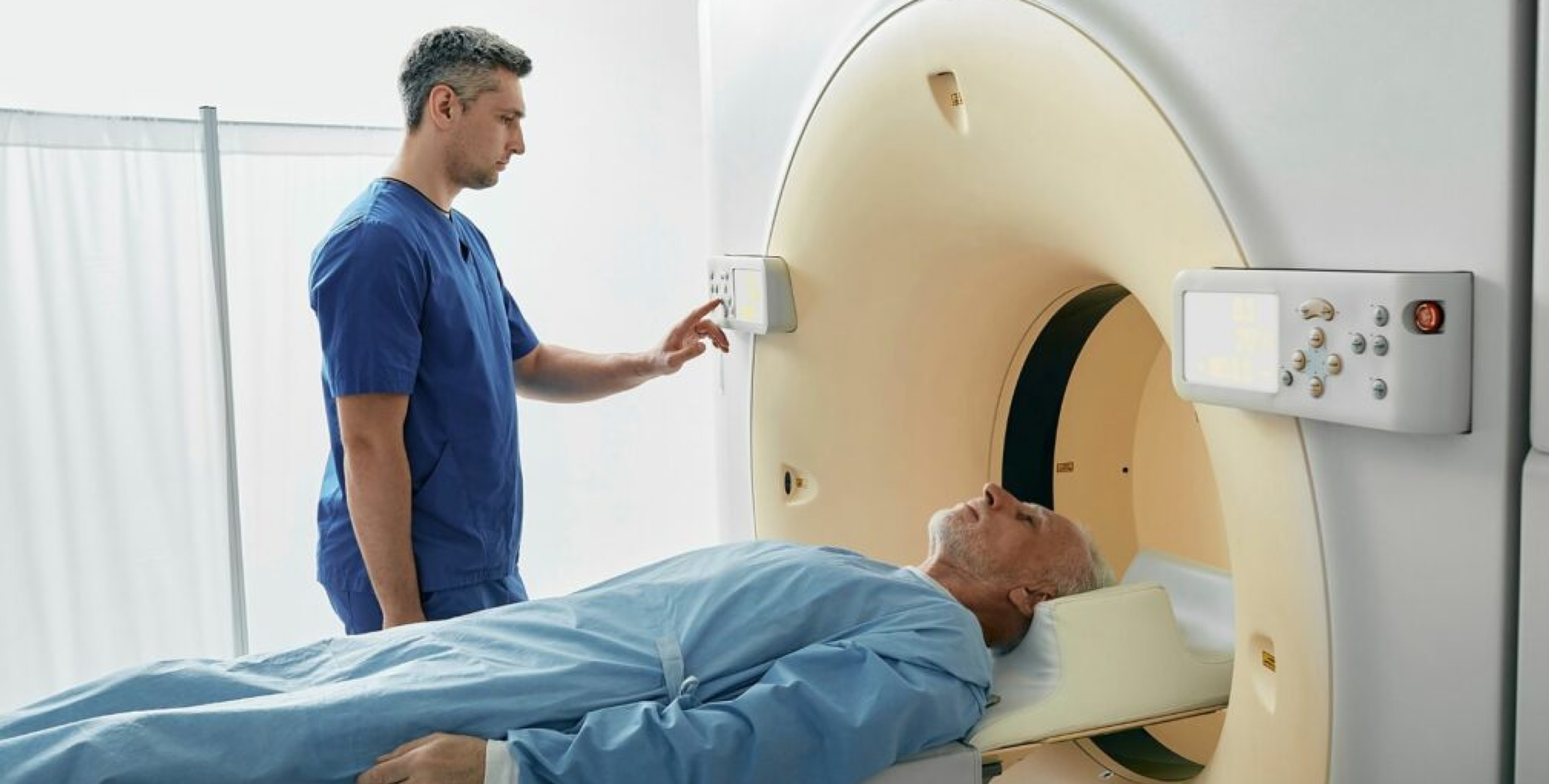
CT-SCAN COURSE CONTENTS:
1. CT-Scan Development Outline: A concise overview of the historical progression and advancements in CT-scan technology within medical imaging.
2. CT-Scan Terminology Definition: A glossary defining key terms relevant to the application and understanding of CT-scan principles.
3. Patient Radiation Dose Parameters: Identification of specific parameters influencing radiation dose during CT scans and their potential impact on patients.
4. Contrast Media Adverse Reaction Review: A summary of potential adverse reactions associated with different contrast agents used in CT procedures.
5. Cross-Sectional Anatomy Identification: Proficiency in identifying anatomical structures in cross-sectional CT images and their spatial relationships.
6. CT-Scan Procedure Technical Considerations: Highlight technical factors impacting image quality and diagnostic accuracy for specific CT-scan procedures.
MRI COURSE CONTENTS:
1. MRI Safety Audit Tool: Development of a checklist and procedure for regular MRI safety audits to ensure compliance with guidelines.
2. Anatomical Cross-Sectional Atlas: Creation of a digital atlas correlating MRI images with detailed anatomical diagrams for improved identification.
3. Pulse Sequence Optimization Guide:A practical guide outlining parameters and trade-offs for pulse sequences tailored to specific pathologies.
4. MRI Artifact Recognition Module: An online module focused on identifying and mitigating common MRI artifacts to improve image quality.
5. Emergency Response Protocol Simulation: Simulated scenarios and training exercises for MRI staff to practice emergency response procedures.